
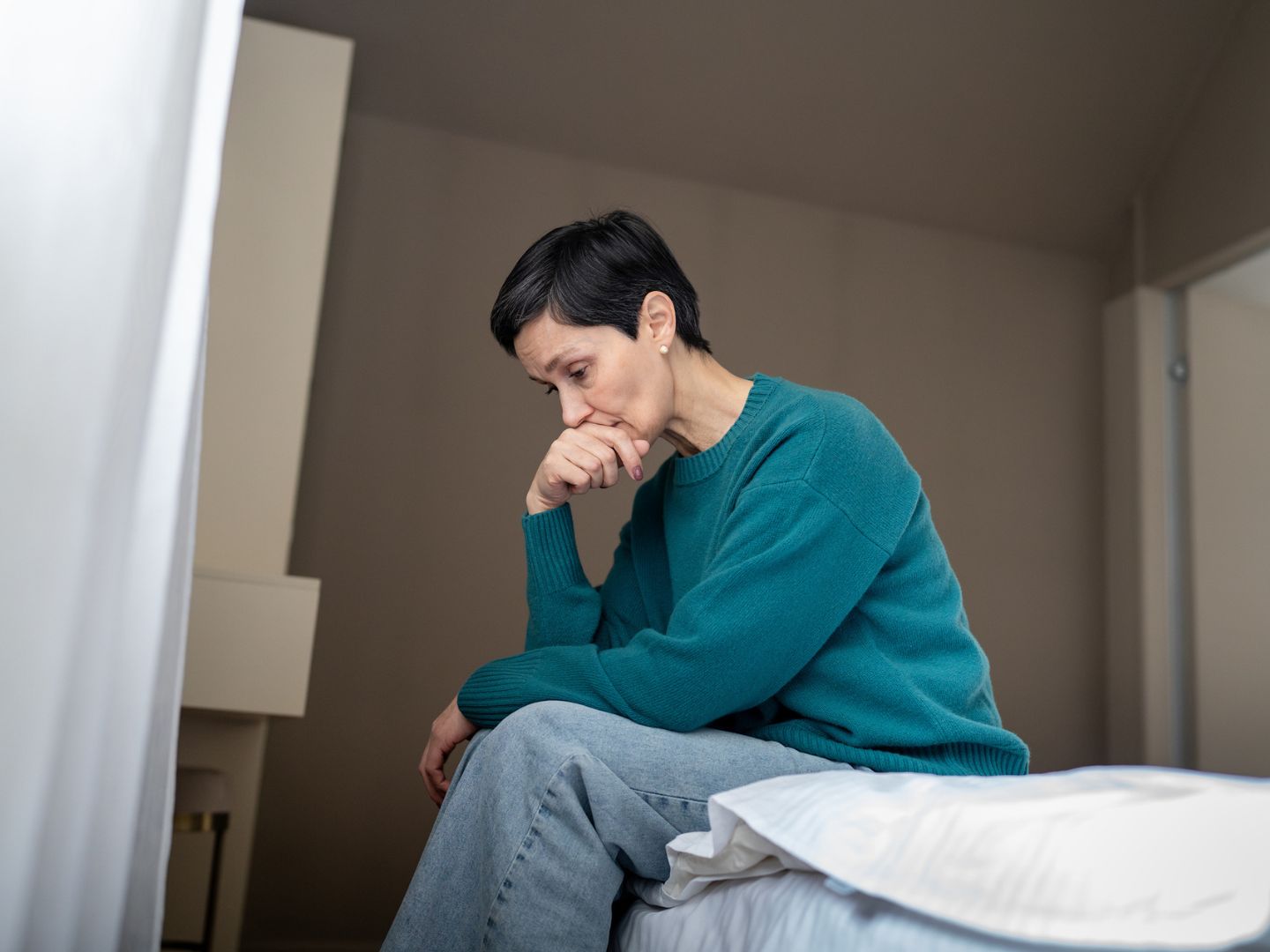
Social isolation and loneliness can harm both your mental and physical health. The World Health Organisation1 says that the effect of social isolation and loneliness on mortality (death rate) is comparable to that of smoking or obesity.
In Australia, an estimated 15% of Australians aged 15 and over (18% of males and 12% of females) were experiencing social isolation according to the HILDA survey2.
In New Zealand3, the highest rates of loneliness are among people aged 15-24, older people, Māori people, disabled people, those with financial difficulties and those living alone.
Loneliness is hazardous: almost a quarter of those people who are lonely may be at risk of premature death. Previous research has equated the reduction in life span as a result of severe loneliness to smoking 15 cigarettes a day. Embarrassment about being lonely, and a desire not to be a burden on family members, were two of the biggest psychological barriers to social engagement.3
Social isolation and loneliness do not just harm individuals; they also have a negative impact on entire communities and societies (e.g. education, employment, economic growth, innovation). The economic costs to employers, health care and individuals are significant and are only beginning to be estimated.1
Social isolation is particularly dangerous in the context of domestic and family violence, where perpetrators can prevent their victims from escaping and hearing alternative perspectives by preventing their interaction with others.5
People who volunteer and play sport tend to have lower rates of loneliness. Men in relationships and women who live with other women also tend to experience less loneliness. Use of social media can also help in some cases, although for those who used social media as a way of escaping in person interactions, loneliness actually increased. 5
Having a pet also helps to reduce loneliness5. Not only do pets provide companionship, they also foster connections with others who also have pets.
If you are looking for ways to connect with others in your community, or if you would like to build social skills and find opportunities to volunteer, contact your EAP. In Australia call 1800 629 277, in New Zealand call 0800 327 669 and email support@akg.com.au
- WHO Commission on Social Connection
- Social isolation and loneliness – Mental health – AIHW
- Loneliness and isolation
- Social Isolation – Ageing Well National Science Challenge
- Social isolation and loneliness – Mental health – AIHW